
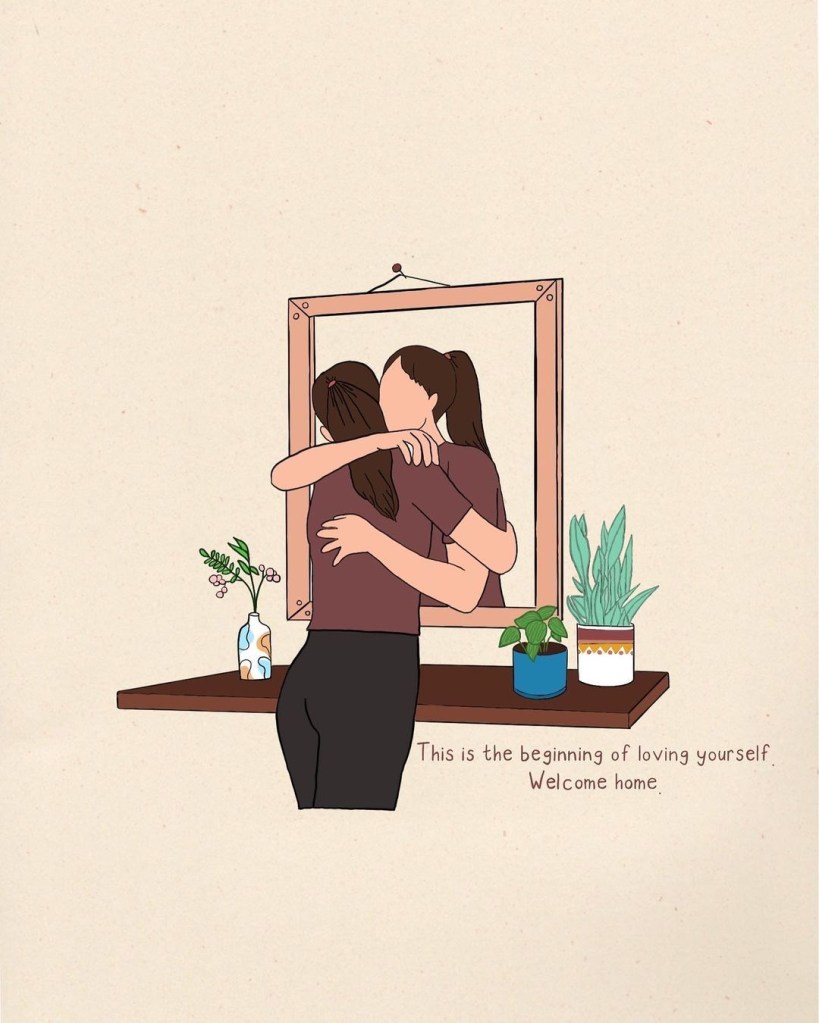
Hello, I’m Dilara. If this is your first time reading my writing, welcome! I usually explore a variety of topics, and today I want to discuss personal growth and the process of genuinely learning to love yourself.
Like many people, I was often told to love myself and prioritize my own well-being. However, no one ever explained how to do this, and for a long time, I had no clear understanding of what self-love truly means.
Recently, I watched a video in which a girl spoke about “self-parenting.” Essentially, self-parenting is about treating yourself as you would your own child. For instance, if you crave chocolate but know it’s unhealthy, ask yourself: If this were my child, what would I do?
If a child has eaten a balanced diet throughout the day, you might allow a small indulgence. However, if they’ve only had coffee, skipped breakfast, or eaten poorly, you would encourage them to eat something nutritious instead. In my view, self-love works the same way: loving yourself does not mean granting every desire; sometimes it requires guiding yourself toward better choices. Just as a parent says no to a child when something is unsafe, we must sometimes deny ourselves certain impulses out of care for our own well-being.
In the past, I would often feel exhausted without accomplishing anything and lacked motivation for even simple tasks. Now, in such moments, I ask myself: “If I were my child, what would I do?” I might respond, “You’ve had a difficult day; it’s okay to rest,” rather than forcing myself to push through. Making this question a habit helps you recognize how even small, deliberate actions can enhance your overall well-being.
I have played tennis for many years, and recently, my training sessions have become particularly taxing due to my increasingly busy lifestyle. Often, I don’t feel like attending three-hour practices immediately after school. Nevertheless, I consider it a personal commitment, and when I return home, I always feel grateful that I went. My body and mind feel rejuvenated. This illustrates how self-parenting—sometimes allowing, sometimes guiding—benefits both mental and physical health.

So, what does a day in the life of a self-loving individual look like? How does someone who genuinely values themselves behave?
First and foremost, they move their body. I am not going to prescribe a rigid exercise schedule; the form of movement matters less than the fact that you engage in it. You might practice yoga, follow an online Pilates class, or simply go for a walk—whatever you enjoy. Regular physical activity not only strengthens your body and heart but also promotes mental clarity.
When I was younger, I suffered from pneumonia, which weakened my lungs and chest. My doctor advised: “Exercise in any form; it will strengthen your lungs and restore your body’s vitality.”
Exercise is essential for everyone. It helps protect against aging, improves fitness and appearance, and enhances mental sharpness. After consistent physical activity, you will notice that negative and distracting thoughts fade, allowing you to think more clearly and make better decisions. Exercise is not merely for weight loss; it is a profound act of self-care. Taking care of your body now prevents future health problems and nurtures your long-term well-being.
Nutrition is equally important. Our bodies require a variety of nutrients to function optimally. Drinking plenty of water and maintaining a balanced diet is crucial. Our immune system is remarkably resilient and naturally designed to heal and protect us. As long as we avoid harming our bodies, they are capable of remarkable self-restoration. Self-loving individuals are mindful of what they consume.
Adequate sleep is also fundamental. We must prioritize rest. Just as a parent seeks solutions when their child has trouble sleeping, we must take our own sleep seriously. Establish a consistent routine, disconnect from screens at least 30–60 minutes before bedtime, change into comfortable clothing, remove accessories, complete your skincare routine, and engage in calming activities such as reading, journeying, or listening to music. Practices like meditation or prayer can also help. Personally, performing prayer before bed calms my mind and soothes my spirit. Such practices fulfill a fundamental human need for emotional and mental restoration.
The next step in self-love is cultivating self-discipline. A good parent is not indulgent all the time; they sometimes say no and enforce boundaries. Likewise, we must hold ourselves accountable. If you commit to exercising three times a week but skip sessions, you are neglecting your own well-being. Even those who enjoy exercise may sometimes prefer comfort over effort. Self-discipline involves keeping promises to yourself and prioritizing long-term benefits over short-term comfort. Choosing to exercise instead of sleeping in is an act of self-love toward your future self.
Equally important is setting boundaries. Boundaries define your interactions with others. You may find yourself in situations you do not wish to be in or complying with demands that leave you resentful. Learning to say no is essential. If someone disregards your limits, it may be necessary to limit or cease contact. Failing to establish boundaries can be a major source of stress—often more damaging than work or academic pressures.
Place yourself at the center of your life. Many people come and go, and it is not worth compromising your well-being for anyone. Choosing to disappoint others in order to protect yourself is sometimes necessary. While it may appear selfish, prioritizing yourself is an act of respect and care.
In summary, self-love means centering your life on yourself, meeting your own needs, setting boundaries, and caring for your body. Take small steps, practice self-compassion, and maintain discipline. Remember, you are valuable, and loving yourself is a fundamental right.
 Insight with Dilara
Leave a comment